Let me show you around
Park Hill
Houses on wide parkways east of City Park, older and bigger in the south, postwar and smaller up north. Montview Boulevard and 17th Avenue Parkway run through the middle, Kearney Street has the shops, and the old golf course is now a 155-acre park.
About 53% of homes here were built between 1940 and 1959, median 1,220 sq ft. What to check on houses like these
Live listings on compass.com. Send me any address and I’ll tell you what to look for.
Winter sun
Which driveways stay iced in December and which back yards keep the afternoon. Worth knowing before you fall for a house.
See how the winter sun falls on Park Hill (opens in new tab)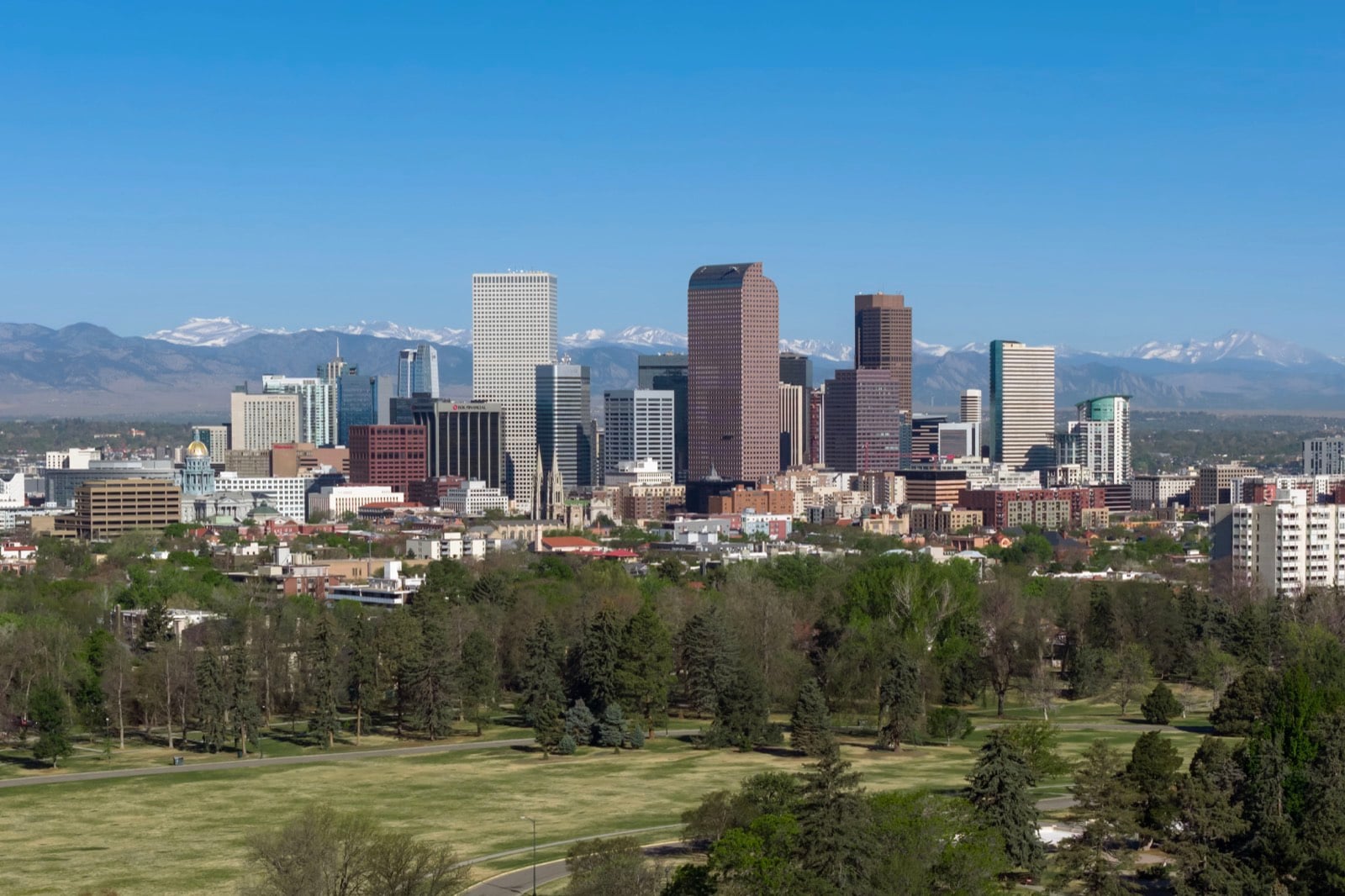
Housing stock: Denver Assessor open data, 2026-09-19.
Living in Park Hill
Park Hill is the big piece of northeast Denver between Colorado Boulevard and Quebec Street, running from Colfax Avenue north to 52nd Avenue, with City Park just across Colorado Boulevard. The city splits it into three neighborhoods, South Park Hill, North Park Hill and Northeast Park Hill. The houses change a lot as you drive north, so check which one a listing is actually in.
A baron's plat and a $3,000 rule
Baron Alois von Winckler platted Park Hill in 1887 on open ground east of City Park. The original developers set rules you can still see from the sidewalk: houses had to sit 40 feet back from the street and cost at least $3,000, when Denver houses usually went up for about $1,000. Denver annexed the area in 1903.
Montview and 17th Avenue
Montview Boulevard is the street to drive first. It was laid out in 1892 and runs 1.5 miles from Colorado Boulevard to Monaco Street Parkway, with trees planted between 1902 and 1911. South of it, East 17th Avenue Parkway covers the same stretch, with a wide grassy median that gets flower plantings every summer. Both are on the National Register of Historic Places, listed in 1986. The Italian Renaissance house at 4101 Montview, built in 1910 and designed by J.J. Benedict, shows how far the street's houses go.
The houses, south to north
Styles run from Victorian forms to Arts and Crafts houses to modest mid-century homes. Most went up in two bursts: the 1920s and 1930s, then the 1940s and 1950s, when demand was strongest near the old Stapleton airport.
Denver Assessor open data on detached single-family houses (condos and rowhomes left out) shows the split. In South Park Hill, 74% were built before 1940, and the median house is 1,570 square feet. In North Park Hill, 62% date from 1940 to 1959, with a median of 1,150. Northeast Park Hill is 89% from 1940 to 1959 and 10% built since 2000, with a median of 1,050. If you want an older house with more room, start in South Park Hill. If a smaller postwar house suits you, North and Northeast Park Hill have far more of them.
Park Hill Park, the old golf course
The Park Hill Golf Course closed in 2018. Voters turned down a plan to redevelop it in 2023, the city took it over in a land swap, and it opened as Park Hill Park on October 28, 2025. At 155 acres, it is the largest acquisition of private land for a park in Denver's history. Right now it's rolling grassland with one paved walkway. The master plan shows a dog park, playground, community garden, athletic fields, mini golf, a picnic pavilion and an event lawn, and the city takes the design back to neighbors in 2027. Buying near it means living beside a work in progress for a while.
On the other side of Colorado Boulevard, City Park's 330 acres hold the Denver Zoo, the Museum of Nature and Science and two lakes.
Kearney Street and 23rd Avenue
The 2200 block of Kearney Street was zoned for small stores in 1926 and still works that way. The old Tower Theatre at 2245 Kearney was the neighborhood movie house until the 1980s. Bistro Vendôme spent 19 years on Larimer Square before moving to 2267 Kearney in 2023, and it's known for steak frites and weekend brunch. Down the block, Cake Crumbs has been a Park Hill bakery and cafe for well over a decade, with ready-made "In a Pinch" cakes in the case every day. On 23rd Avenue, Spinelli's Market has been serving sandwiches and groceries since 1994 and was Westword readers' pick for best specialty market in 2025.
Getting around
Colorado Boulevard runs the west edge, Colfax the south and Quebec the east. The 40th & Colorado station sits where Park Hill meets Elyria-Swansea, on the A Line between Union Station and the airport, with 200 park-and-ride spaces. If that lot is full, Central Park station, one stop east, has 1,500.
FAQ
Is Park Hill one neighborhood or three?
The city splits it into three: South Park Hill, North Park Hill and Northeast Park Hill. Together they run from Colorado Boulevard to Quebec Street and from Colfax Avenue to 52nd Avenue.
How old are the houses in Park Hill?
It depends on where you are. In South Park Hill, 74% of detached houses were built before 1940, while North and Northeast Park Hill are mostly from 1940 to 1959.
What happened to the Park Hill Golf Course?
It closed in 2018, and after voters rejected a redevelopment plan in 2023, the city took it over in a land swap and opened it as the 155-acre Park Hill Park in October 2025. For now it's open grassland with one paved walkway.
What's planned for Park Hill Park?
The master plan shows a dog park, playground, community garden, athletic fields, mini golf, a picnic pavilion and an event lawn. The city plans to keep refining the design with neighbors in 2027.
Where are Park Hill's shops and restaurants?
The 2200 block of Kearney Street has Bistro Vendôme and Cake Crumbs, and Spinelli's Market is on 23rd Avenue.
Can you take the train to the airport from Park Hill?
Yes. The A Line stops at 40th & Colorado, on Park Hill's western edge, with trains to Union Station and Denver International Airport and 200 park-and-ride spaces.